
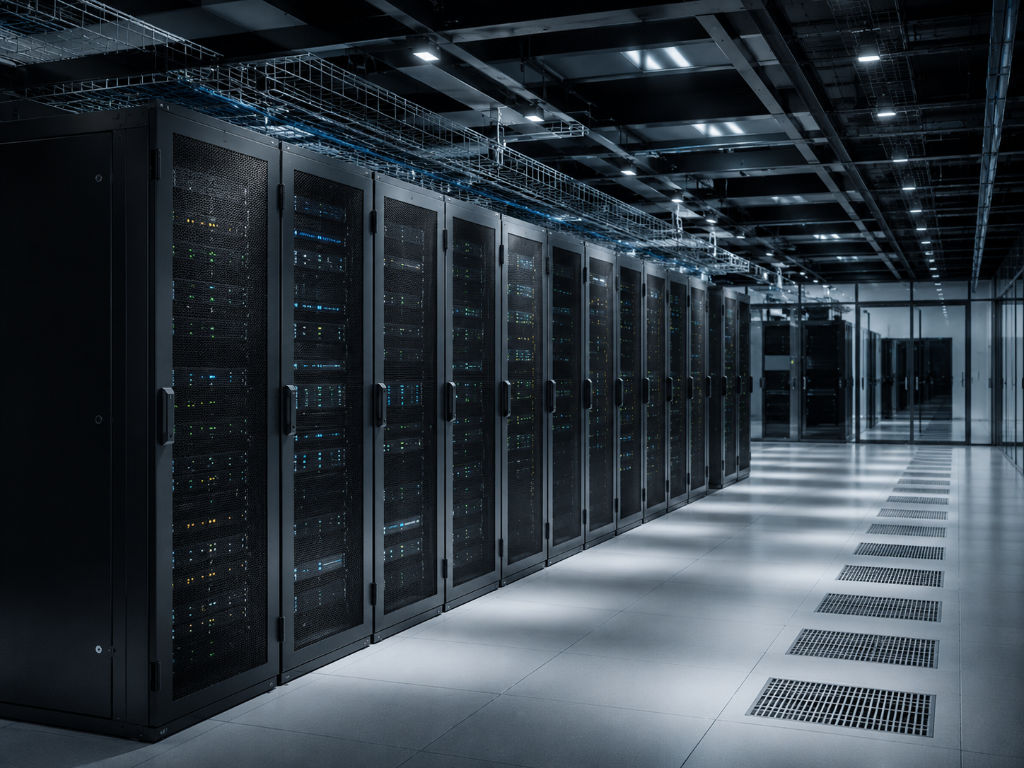
The quiet layers behind digital reliability
Users often see the interface, but reliability is usually created behind it: service architecture, uptime practices, access rules, data structures, support processes, and operating discipline.
Selected viewpoints on the technology conditions that shape intelligent systems, data-driven operations, and long-term digital services.
Users often see the interface, but reliability is usually created behind it: service architecture, uptime practices, access rules, data structures, support processes, and operating discipline.

Technology cycles move from web to cloud, mobile, connected devices, automation, and AI. The tools change, but durable systems still need maintainable infrastructure, clear workflows, and trustworthy operations.

Quality depends on collection context, schemas, validation logic, review practices, feedback loops, and incentives. A checklist can catch errors, but an operating system prevents many of them from repeating.

Connected devices, sensors, edge environments, and robotics-adjacent systems require software and operations to account for physical context, data uncertainty, and real-world constraints.

Models alone do not create dependable systems. Applied AI requires structured data, evaluation processes, human feedback, governance, monitoring, and a path from experimentation to production operations.

A corporate foundation allows multiple initiatives to share standards, lessons, infrastructure, and governance. This creates continuity beyond any single product cycle or technology trend.

Corporate Viewpoint
Alorado's perspective is shaped by a practical observation: the visible product is only one part of a digital service. The surrounding systems often determine whether a product can operate consistently, adapt to new requirements, and maintain confidence as usage grows.
This includes how information is created, how users are guided, how teams respond to change, how quality is observed, and how infrastructure decisions affect future flexibility. These considerations are not separate from technology strategy; they are part of it.
For that reason, Alorado approaches technology initiatives through both a systems lens and an operating lens. The objective is not to describe the future in broad language, but to understand what conditions make future-facing systems practical and dependable.

Alorado’s view is that lasting technology work depends on the systems around the product: infrastructure, data, operations, users, and the ability to adapt across technology cycles.
Start a Conversation